2026-09-04 · Tom Reynolds
Handling Mold Found During Cary Home Inspections
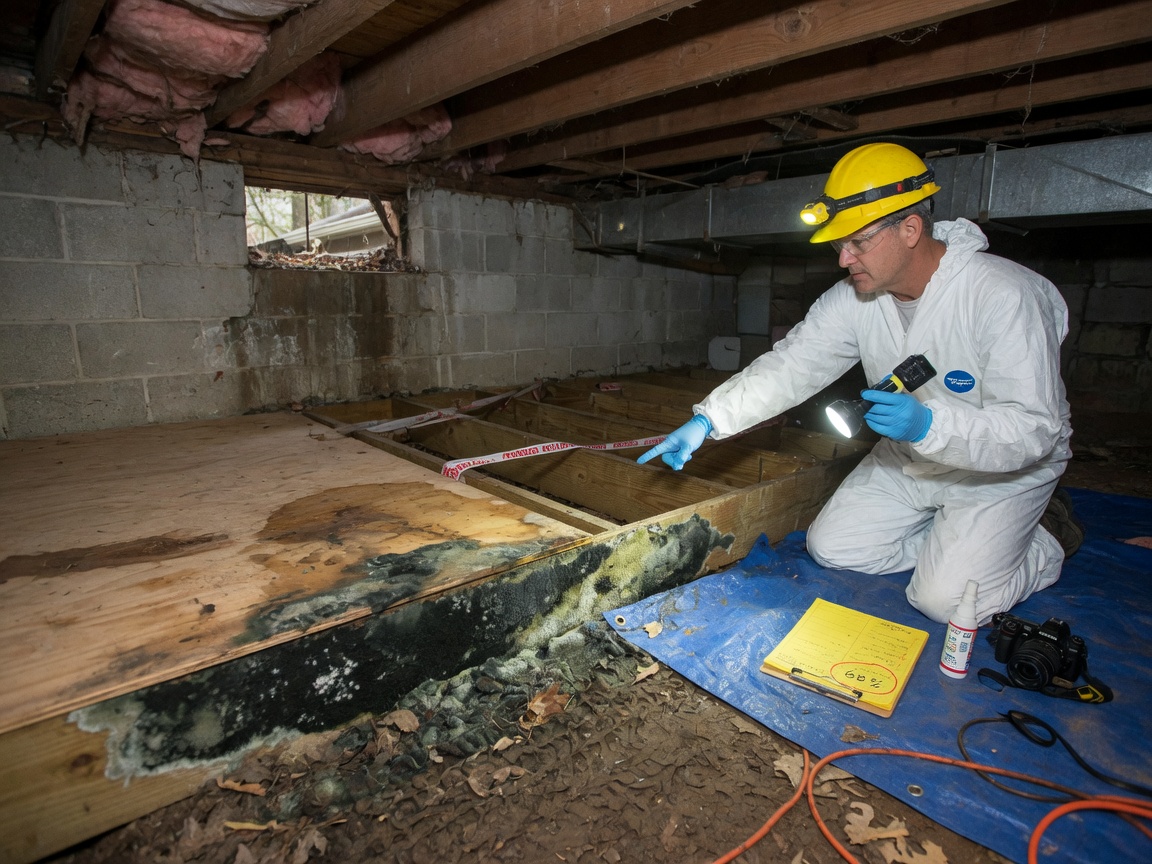
When mold appears during a Cary home inspection, contact a local Mold Removal specialist the same day to contain growth before it spreads through Preston or Amberly homes. Wake County's humid subtropical climate with hot summers and mild winters creates consistent moisture that feeds mold in older housing stock common to Kildaire Farms and Downtown Cary.
Reading the Inspection Report Accurately
Inspection reports typically flag visible growth, moisture readings above 60 percent, or musty odors in attics, crawl spaces, and bathrooms. In Cary homes built before 1990, these reports often note hidden issues behind drywall or under flooring where condensation from winter heating meets summer humidity. Cross-reference findings with a follow-up Mold Inspection to confirm extent rather than relying on visual notes alone. Local inspectors familiar with Page-Walker Arts & History Center area properties understand how Koka Booth Amphitheatre's nearby terrain influences drainage around foundations.
Common Mold Sites in Cary Housing Stock
Preston and Kildaire Farms properties frequently show growth in crawl spaces due to poor ventilation and red clay soil that holds moisture year-round. Attics in Amberly developments trap humidity when ridge vents are undersized for the hot summer loads. Bathrooms near the Cary Arts Center often develop issues around exhaust fans that fail to vent properly during mild winters. These patterns differ from newer Raleigh-adjacent builds because older Cary stock uses different insulation and vapor barriers that interact with the region's 40-plus inches of annual rain.
Immediate Containment Steps Homeowners Can Take
Shut off HVAC systems to avoid circulating spores until Mold Removal begins. Isolate affected rooms with plastic sheeting taped at seams and place a dehumidifier set to 50 percent or lower. Avoid disturbing visible growth, which releases additional particles into the air. Residents in MacGregor Downs or Lochmere should also check adjacent rooms for hidden moisture since shared wall construction allows migration. Document everything with dated photos for insurance discussions.
Professional Mold Removal Process in Wake County
Technicians start with containment barriers and negative air machines before removing affected materials. They then apply EPA-registered antimicrobials to framing and subfloors, followed by HEPA vacuuming and drying verification with moisture meters. In Cary, this work aligns with Mold Removal protocols that address both visible growth and underlying humidity sources. For inspection-triggered jobs, crews often combine efforts with Mold Remediation to handle water intrusion points identified in the report. Homeowners can review typical project ranges in the article What Mold Removal Costs Look Like in Wake County. After clearance testing, ongoing Moisture & Humidity Control prevents recurrence in the same locations.
Preventing Recurrence After Remediation
Install or upgrade bathroom exhaust fans tied to humidity sensors and ensure crawl space encapsulation where soil moisture stays high. In neighborhoods like Preston, adding attic insulation baffles improves airflow during summer peaks. Schedule annual checks before the humid season begins, especially for homes near the Cary Park area where tree cover limits sun exposure. The guide How to Spot Mold in Older Cary Neighborhoods outlines seasonal inspection points that match local conditions. Our Cary-based team operates Monday through Friday 8am–6pm and Saturday 9am–2pm to support these follow-up visits.