2026-09-04 · Tom Reynolds
Mold Issues After Summer Humidity Spikes in Cary
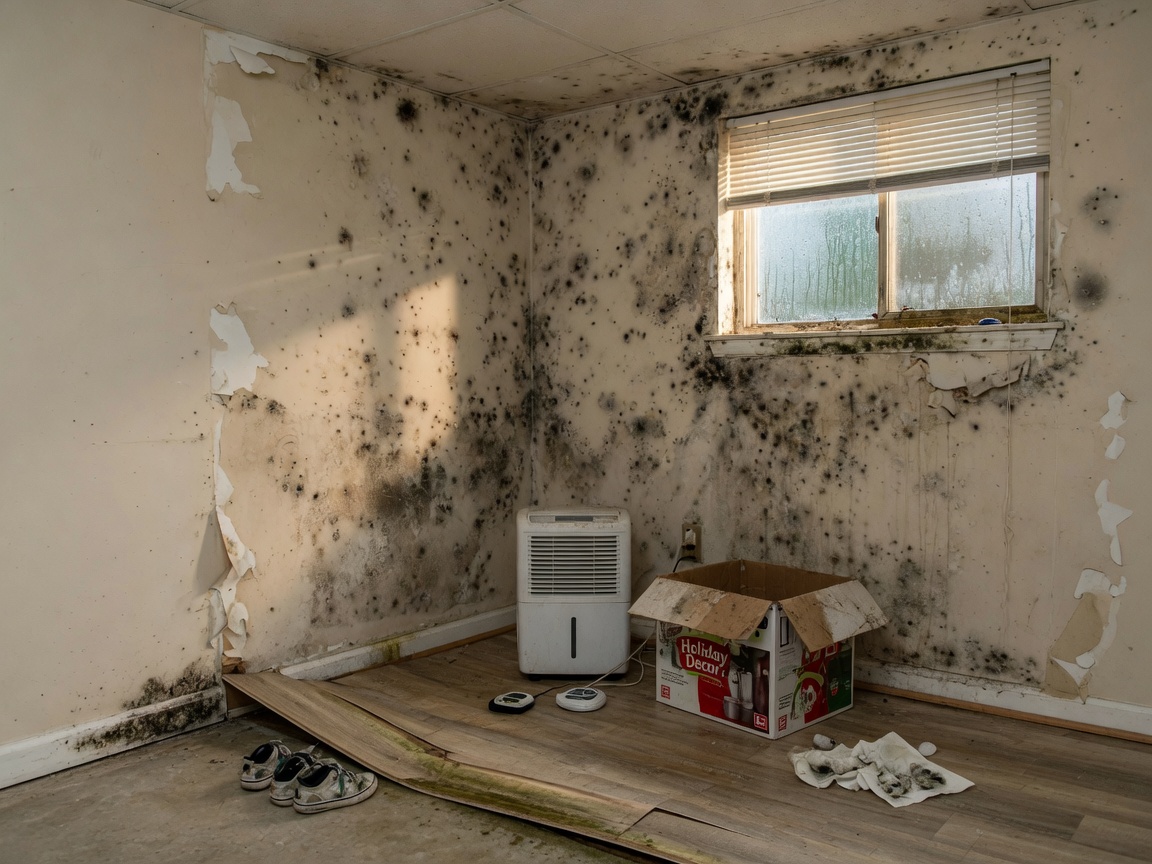
Cary summers with their sudden humidity spikes create mold colonies in 24-48 hours inside homes that lack steady airflow or have small leaks. The pattern repeats every July and August in Preston, Amberly, Kildaire Farms and older sections of Downtown Cary where many houses sit on crawl spaces or have original attic insulation that traps moisture.
Why Cary Humidity Spikes Trigger Mold
Wake County's humid subtropical climate keeps relative humidity above 70 percent for weeks at a time. When outdoor air at 85-90 degrees meets cooler indoor surfaces, condensation forms on ductwork, bathroom ceilings and foundation walls. Homes built before 2000 in Kildaire Farms and Preston often have single-pane windows and minimal ridge venting, so the trapped moisture sits long enough for spores to germinate on drywall paper and wood framing. Even brief afternoon storms add gallons of water that later evaporates into living spaces.
Typical Problem Areas After July and August Spikes
Attics above second-floor bedrooms in Amberly and Preston show dark staining on roof sheathing within days of a humidity wave. Crawl spaces under 1970s-1980s ranch homes in Kildaire Farms collect standing water that evaporates upward into floor joists. Bathrooms in MacGregor Downs and Lochmere frequently develop mold behind vanities when exhaust fans cannot keep up with shower steam. These locations share one trait: limited air exchange once windows stay closed during peak heat.
How to Spot Growth Before It Spreads
Look for musty odors near HVAC returns, soft spots in drywall around window sills, and white or black powdery residue on bathroom grout. In Preston and Amberly, check the north-facing walls of crawl spaces where sunlight never reaches. A quick inspection with a moisture meter often reads 18-22 percent on framing that should sit below 12 percent. Early detection keeps small colonies from requiring full Mold Remediation across multiple rooms.
Steps That Reduce Risk After a Spike
Run whole-house dehumidifiers set to 50 percent during the hottest weeks. Clean or replace HVAC filters every 30 days when outdoor humidity stays elevated. Seal foundation vents with insulated covers in older Kildaire Farms crawl spaces. Schedule professional Moisture & Humidity Control before the next summer to address the sources rather than the symptoms. These actions cut recurrence rates sharply in homes that previously needed repeated treatments.
When to Call for Help in Wake County
If visible growth covers more than 10 square feet or returns within weeks of cleaning, the underlying moisture source still exists. Residents near the Koka Booth Amphitheatre or Page-Walker Arts & History Center often notice problems first in finished basements after heavy August rains. A targeted inspection followed by Mold Removal prevents spores from moving through the HVAC system into living areas. For cost expectations across the county, see What Mold Removal Costs Look Like in Wake County.