2026-09-04 · Tom Reynolds
How to Spot Mold in Older Cary Neighborhoods
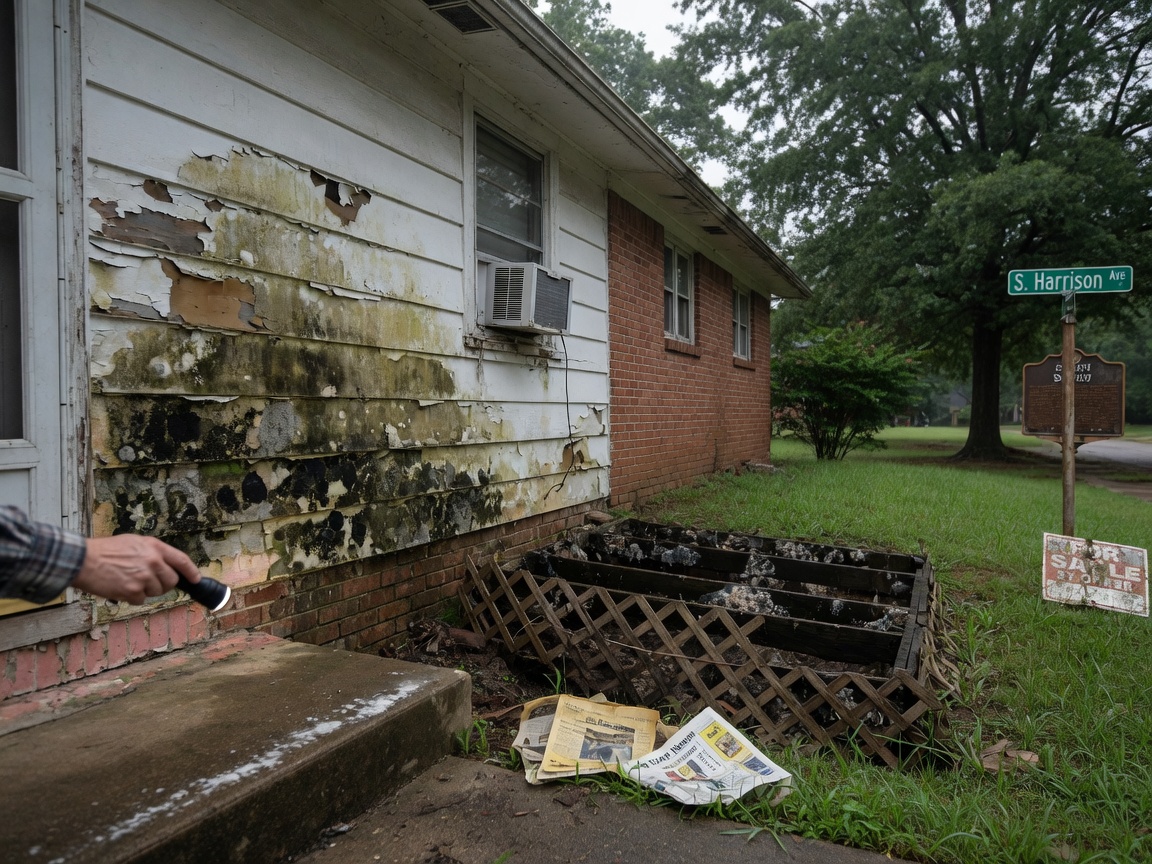
In older Cary neighborhoods such as Preston and Kildaire Farms, mold typically shows up first as dark discoloration along baseboards or in attics within 3–7 years after any roof or plumbing leak, driven by Wake County's humid subtropical climate with hot summers and mild winters.
Visible Indicators on Interior Surfaces
Homeowners in Downtown Cary and Amberly often notice musty odors near bathrooms or laundry rooms before seeing physical growth. Black or greenish patches on drywall corners signal active colonies, especially where older plaster meets modern additions. Condensation on single-pane windows during summer months leaves water rings that feed surface mold within weeks. Pay attention to peeling paint or warped trim along exterior walls, common in 1970s–1980s homes throughout Kildaire Farms. These clues appear faster in south-facing rooms that receive afternoon sun followed by evening humidity spikes.
Hidden Growth in Crawl Spaces and Attics
Cary's older housing stock frequently features vented crawl spaces that draw in moist air from surrounding Wake County terrain. Check for white or gray fuzzy growth on floor joists and insulation, which spreads quickly when summer humidity exceeds 70 percent. Attic mold forms along roof decking near bathroom exhaust vents that were never properly ducted outside. In Preston homes, sagging insulation or rusty nail heads often mark the first visible evidence of long-term moisture. Regular flashlight inspections every six months catch these before they reach living areas.
Climate and Seasonal Patterns in Wake County
Hot summers push indoor humidity high enough to condense on cooler pipes and concrete slabs common in Kildaire Farms basements. Mild winters reduce natural drying, allowing dormant spores to reactivate during spring rains. Storms moving through nearby Raleigh can overwhelm older gutters, sending water against foundations in neighborhoods like Preston. Homes built on slight slopes face additional pressure where clay-heavy soils hold moisture against footings for days after rainfall.
Neighborhood-Specific Considerations
Preston properties from the 1980s often have finished basements where carpet edges hide early mold along perimeter walls. Kildaire Farms homes with original wood siding can develop rot at ground level that feeds hidden colonies inside wall cavities. Downtown Cary bungalows near the Page-Walker Arts & History Center tend to have tight attics with limited ventilation, accelerating growth after any ceiling leak. Checking these patterns against your home's construction year helps prioritize inspection points.
Next Steps After Spotting Signs
Document locations with photos and note any recent water events before contacting a local specialist. Mold Inspection services can confirm species and extent without disturbing settled spores. Review related guidance in Handling Mold Found During Cary Home Inspections for real estate situations common in these neighborhoods. When growth exceeds small surface patches, Mold Removal addresses both visible and hidden areas while controlling moisture sources. Track findings against seasonal patterns to time preventive work before the next humid summer arrives.