2026-09-04 · Tom Reynolds
Preventing Mold After Fall Rain Events in Cary
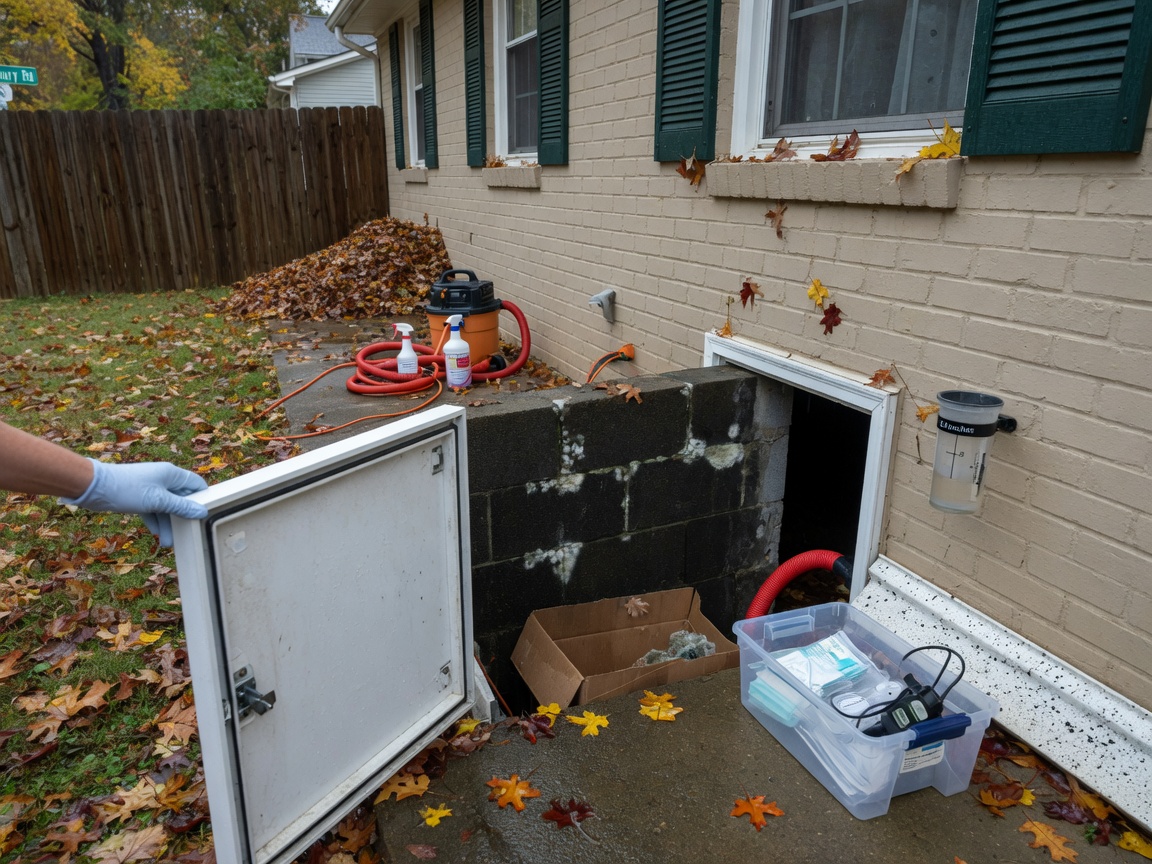
After fall rain events in Cary, preventing mold growth starts with removing standing water and drying all affected materials within 48 hours before spores take hold in the area's humid subtropical conditions.
How Cary's Climate and Housing Stock Respond to Fall Rains
Wake County receives frequent fall downpours that saturate crawl spaces and foundation walls in neighborhoods such as Kildaire Farms and Preston, where many homes built before 1990 feature older vapor barriers and limited ventilation. These rains combine with mild winters that never fully dry soil, allowing moisture to migrate into finished basements common to Cary properties. Downtown Cary and Amberly see similar issues in townhomes with shared walls that trap humidity after storms. Homeowners notice musty odors first near HVAC returns or under kitchen sinks because the region's clay-heavy soils hold water longer than sandy coastal ground. Checking gutters and grading around the foundation immediately after each event stops water from pooling against siding, which is a leading trigger for hidden growth behind drywall in these older blocks.
Drying Protocols That Work in Local Conditions
Begin by extracting water with a wet vac from any affected flooring or carpet within the first 12 hours, then run commercial-grade dehumidifiers set to 45 percent relative humidity in the space for at least three full days. In Preston and Kildaire Farms crawl spaces, place fans to create cross ventilation while monitoring wood moisture content with a meter until readings drop below 12 percent. Homeowners in Amberly often overlook condensation on ductwork after rains; insulating those lines and sealing seams prevents secondary growth. Use moisture meters on drywall at least 18 inches above any water line because capillary action carries dampness higher than visible stains. Running bathroom exhaust fans for 30 minutes after showers becomes even more critical during the wet season to keep indoor humidity from spiking above 55 percent.
Ongoing Maintenance for Rain-Prone Areas
Inspect and clean gutters every 60 days from September through November to keep water directed away from foundations in neighborhoods like Kildaire Farms. Re-grade soil so it slopes six inches over the first ten feet from the house to reduce hydrostatic pressure against basements. Installing a dehumidifier with a continuous drain in the crawl space maintains steady control during the long stretches of mild, damp weather typical after October storms. Mold Prevention Services and Moisture & Humidity Control address these seasonal patterns directly. Checking attic insulation for wet spots after heavy rain events stops condensation from forming on roof decking in older Preston homes. Mold in Finished Basements Common to Cary Properties outlines additional steps for properties with below-grade living space.
Knowing When Professional Assessment Is Needed
If moisture readings remain above 16 percent after 72 hours of drying, or if visible growth appears on more than 10 square feet, contact a local team for targeted removal before spores spread through HVAC systems. Homes near the Koka Booth Amphitheatre or Page-Walker Arts & History Center often share drainage lines that back up during intense fall storms, creating hidden pockets behind finished walls. How to Spot Mold in Older Cary Neighborhoods helps residents identify early signs in Kildaire Farms and Amberly stock. Scheduling an inspection before winter sets in confirms that any remediation work performed after rains has fully resolved the moisture source rather than just the surface growth.