2026-09-04 · Tom Reynolds
Mold in Finished Basements Common to Cary Properties
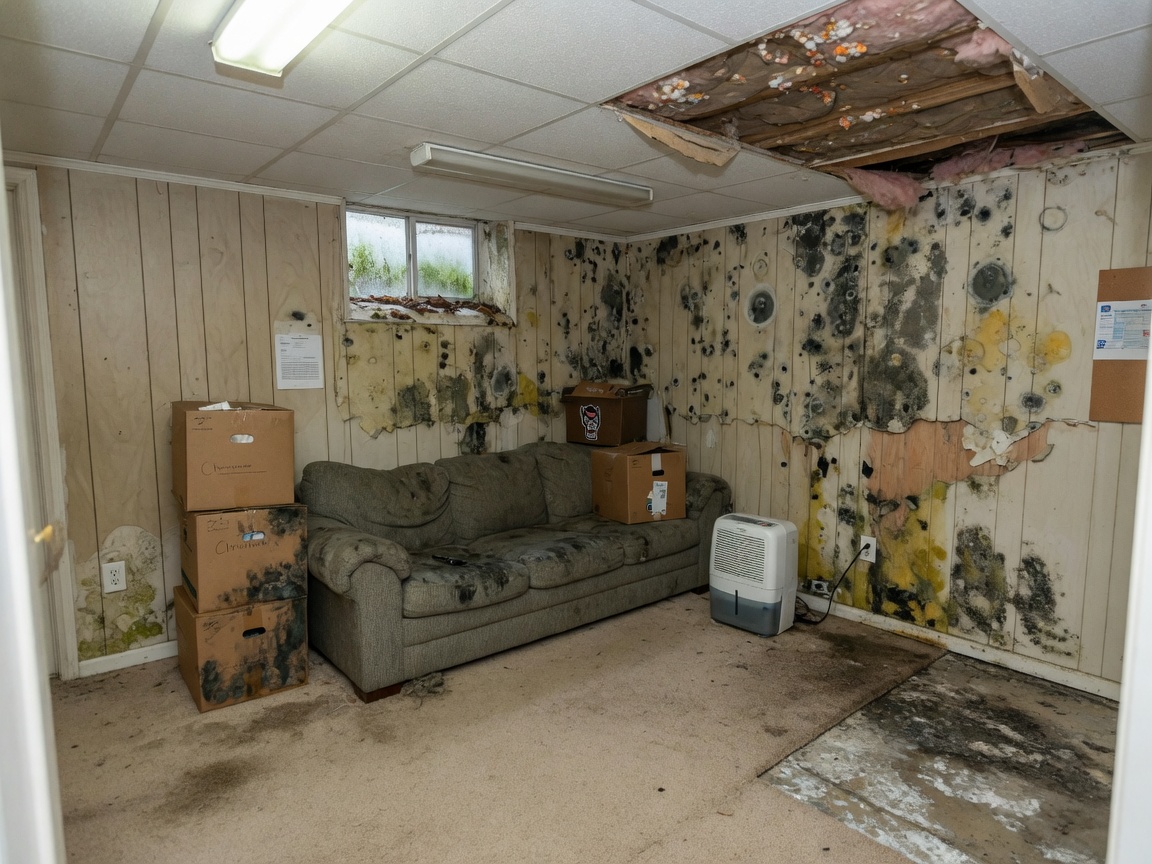
Finished basements in Cary properties commonly develop mold because the area's humid subtropical climate traps moisture against below-grade walls during hot summers and allows humidity to linger through mild winters. Homes in neighborhoods such as Preston, Kildaire Farms, and Amberly frequently feature finished basements added during expansions in the 1980s and 1990s, where limited airflow and occasional groundwater seepage create ideal conditions for growth on drywall, carpet, and wood framing.
Climate and Soil Factors Driving Basement Mold
Wake County's humid subtropical conditions produce high summer humidity that forces air conditioning systems to run constantly, often pulling warm moist air into cooler basement spaces and causing condensation on pipes and walls. Mild winters keep soil temperatures above freezing, allowing water to move through the ground around foundations in areas like Downtown Cary and Preston without freezing and expanding. Many homes sit on clay-heavy soils that drain slowly, so even moderate rainfall can raise the water table and push moisture through basement slabs. This pattern repeats year after year, breaking down vapor barriers and allowing mold to establish behind finished surfaces before homeowners notice musty odors upstairs.
Typical Housing Stock in Preston and Kildaire Farms
Properties in Preston and Kildaire Farms often include finished basements with carpeted floors and drywall partitions that were not originally designed for high humidity. These homes sit on lots with gentle slopes that direct rainwater toward foundations during summer storms, and older sump pumps sometimes lack modern battery backups. In Kildaire Farms especially, many basements were finished without dedicated dehumidification, so relative humidity stays above 60 percent for months. The result is mold colonies forming on the back side of drywall and under baseboards, where they remain hidden until a small leak or heavy rain event triggers visible spots or allergic reactions in residents.
Recognizing Hidden Growth in Finished Spaces
Homeowners in Amberly and surrounding Wake County neighborhoods should watch for recurring musty smells near HVAC returns or dark staining along baseboards after periods of high outdoor humidity. Because finished basements hide the concrete walls, mold often spreads across large areas before it becomes obvious. Checking behind furniture and in closets for soft drywall or warped trim provides early clues. When these signs appear, professional assessment through Mold Removal services can locate the full extent without unnecessary demolition. Related guidance appears in the article How to Spot Mold in Older Cary Neighborhoods, which covers similar patterns seen in nearby housing stock.
Practical Steps for Addressing Basement Mold
Effective handling begins with isolating the affected area and using containment to prevent spores from moving through the home's HVAC system. Technicians then remove saturated materials, apply antimicrobial treatments to exposed framing, and install temporary dehumidification sized for the basement volume. In Cary homes, follow-up often includes recommendations for permanent Moisture & Humidity Control measures such as sealed sump covers and exterior grading corrections. Readers can also review Preventing Mold After Fall Rain Events in Cary for seasonal timing details that match local weather patterns. Addressing the moisture source remains essential, because simply cleaning surfaces without fixing drainage allows recurrence within one or two seasons.
When to Schedule Professional Basement Mold Removal
If musty odors persist after running a dehumidifier for several days or if family members experience unexplained respiratory irritation, contact a Cary-based team during business hours Monday through Friday 8am–6pm or Saturday 9am–2pm. Basement Mold Removal specialists familiar with Wake County construction can map moisture sources specific to each property and confirm clearance with post-remediation testing. Early intervention limits the scope of material replacement and keeps the project contained to the basement level rather than requiring whole-house disruption.